Live dealer poker brings a human croupier, a real table and a live stream into the browser, which is why more Australians are choosing to play live casino holdem online instead of spinning reels on autopilot. The pace feels closer to a bricks-and-mortar room, but you still need to check cashier flow, verification steps and table limits before you commit any money. A sensible first stop is a licensed local operator with an AUD cashier, because that keeps deposits and withdrawals in the same currency and avoids awkward conversion delays. If you want a quick look at how a local sign-up and bonus claim usually works, https://ozwinbonus.org/ lays out the typical steps without the marketing gloss. Read the table rules before you sit down, because live holdem variants can differ on blinds, straddles and showdown timing.
What a Live Holdem Session Actually Looks Like
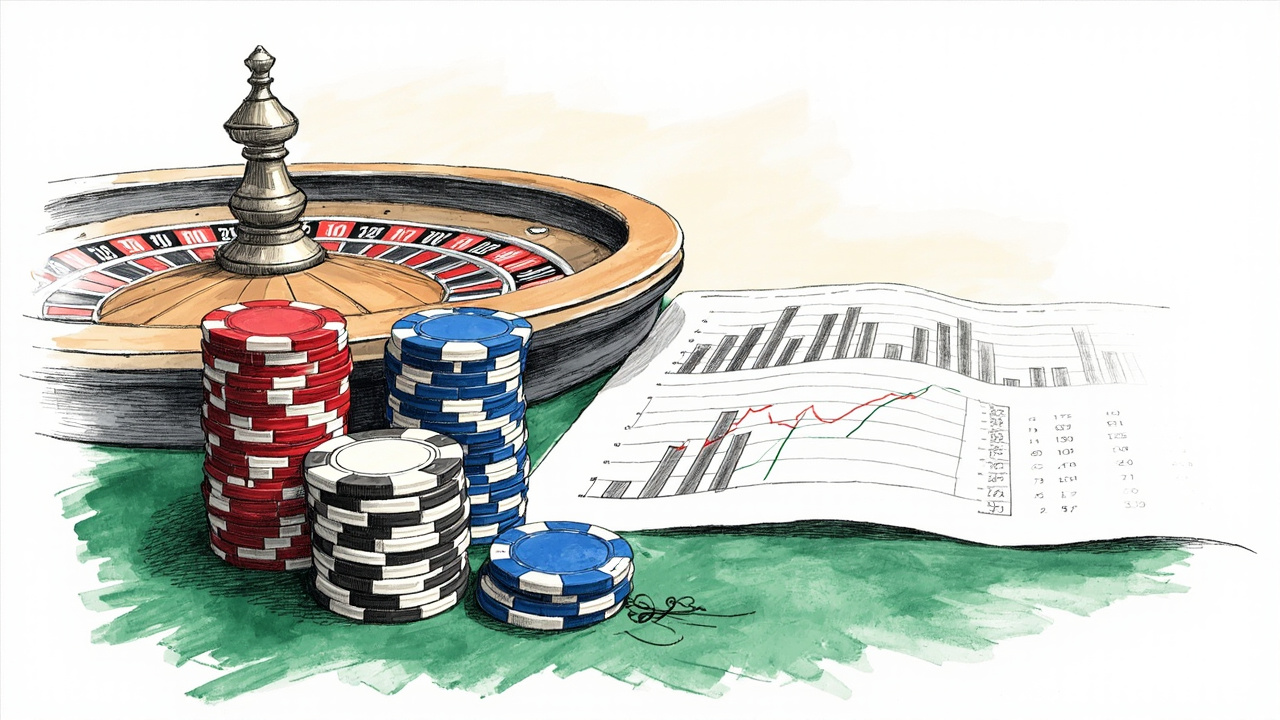
A live holdem table runs on a real dealer, a physical deck and a streaming camera, so the rhythm is closer to a club room than a RNG lobby. You join a seat, post your blinds, act when the dealer calls your position, and the round resolves on the felt rather than in a software queue. Operators usually stack the offering with a few core formats, so you will often see no-limit holdem as the flagship, then a couple of limit or mixed tables for players who prefer tighter structure. The interface matters here: a clean bet panel, readable card trays and a chat window that does not lag are worth more than a flashy lobby with half a dozen dead tables. Stream quality is the quiet dealbreaker, because a stuttering feed makes it hard to track the flop or read the dealer’s pace. You should also check the provider mix, because a room built around one stable streaming partner tends to keep table counts consistent through the arvo and into the evening rush. Bonuses on live tables usually come with wagering that is separate from slots, so read the contribution rules before you treat a welcome package as free money. The practical test is simple: can you find a seat at a stake that suits your bankroll, and does the table stay populated long enough to avoid sitting through empty rounds?
Deposits, Withdrawals and the Cashier Flow
The cashier is where most players get tripped up, because a slick lobby means nothing if the payment path is slow or opaque. A workable AUD cashier should let you move money in and out without forcing a currency switch, and it should list processing windows rather than vague promises. For deposits, local players usually want a method that lands funds quickly and does not hide behind a long verification detour every single time, so card, POLi-style bank transfer and a couple of e-wallets are the common mix. Withdrawals are the real test, because a site that posts same-day or next-business-day handling on verified accounts is usually clearer than one that buries timing in fine print. Limits matter too: check the per-transaction cap, the daily ceiling and whether VIP or higher-volume players get different thresholds, since those numbers shape how you plan a session. Verification is not optional, and a straight identity check before the first withdrawal is the normal pattern rather than something to work around. If you want a closer read on how a VIP-focused live casino payment setup is described from a different market angle, this related piece on live casino con puntate vip walks through a tiered staking approach that is worth comparing. The key judgement call is whether the cashier feels like a practical tool or a gate with a few polite buttons.VIP Live Casino Play Meets Italian-Focused
A Beginner’s Walkthrough for Playing Your First Round
If you are brand new, treat the first session like a quiet practice run rather than a bankroll test. Step one is to set a stake ceiling before you join any table, because live holdem moves in real time and it is easy to keep calling when the room noise nudges you. Step two is to pick a low-limit table and watch two or three hands without betting, just to see how the dealer runs the blinds, the action and the showdown. Step three is to learn the exact variant rules on that table, since some rooms allow straddles, some run a missed-hand policy and some handle side pots slightly differently. Step four is to keep your first buy-in small enough that a bad beat is annoying rather than costly, and to step away if the stream drops or the pace gets messy. Step five is to use the chat sparingly and politely, because a calm table usually plays cleaner than one where everyone is typing over the top of each other. Step six is to track your own results in a notes app or a notebook, so you can tell whether you are actually enjoying the format or just chasing a rough session. The whole point is to learn the room before you try to outplay it.
Table Selection, Limits and Support When Things Go Sideways
Picking a table is less about chasing a big game and more about matching the blinds, the seat count and the dealer pace to the way you want on our platform to play. A table with blinds that suit your stack keeps you in hands long enough to make real decisions, while a table that is too high forces you into preflop shoves and guesswork. Seat availability matters because a full table changes the action rhythm, and a half-empty table can feel slower in a different way. Support is worth checking before you deposit, because when a stream freezes, a bet hangs or a withdrawal stalls, you want a contact path that is actually reachable rather than a form that vanishes into a queue. Live chat is the usual first port of call, but a working email or phone route is a useful backup if the room is busy. Loyalty and VIP treatment can be relevant if you play often, but the honest read is that a stable cashier, clear limits and a reliable stream matter more than a points program that dangles perks you may never claim. Benjamin Thompson, Strategy Director, Tasman Gaming Partners, has noted that live dealer rooms succeed or fail on table consistency and cashier clarity rather than on bonus noise, which is a fair lens when you are comparing operators. If your session gets messy, the practical move is to stop, note what happened and raise it through support rather than trying to bet your way out of a problem.

A good live holdem session comes down to three things: a table that fits your stake, a cashier that handles AUD without fuss, and a room where the stream and support hold up when the pace picks up. Treat the format as a live game of decisions, not a shortcut to easy returns, and you will get a clearer read on whether it suits your playing style.

- Blinds – forced bets posted before cards are dealt, usually the small blind and big blind, that start the action.
- Buy-in – the amount you bring to a table, often tied to a minimum and sometimes a maximum limit.
- Showdown – the final round where remaining players reveal hands to decide the pot.
- Straddle – an extra voluntary blind, often posted before the cards run, that can change the betting structure.
- Verification – the identity and account checks a operator requires before processing withdrawals.